



Research

B04 Dedicated edge zone characteristics for pultruded fibre-reinforced polymer and ceramic profiles


Project Area

B04

Project Leaders

Welf-Guntram Drossel

Kristina Roder

Cooperation Projects

Kristina Roder
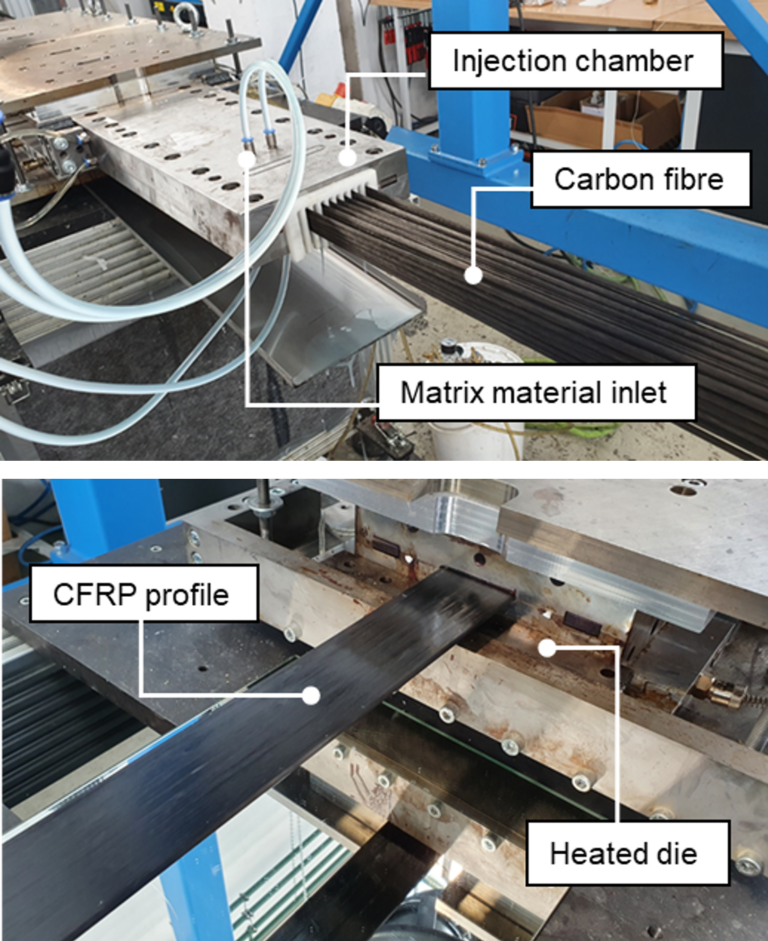
The primary objective is to investigate load-dedicated transition zones in both the matrix composition and the fibre architecture of a carbon fibre-reinforced plastic (CFRP) profile produced by an extrusion-based pultrusion process. In addition, the main focus of the research is to adjust the defined edge zone characteristics by adapting the material and the pultrusion process to produce a non-infiltrated and partially consolidated strip. This strip provides access to localised out-of-plane fibre bundles to which substructures can subsequently be attached with a graded transition area. The pultrusion process not only provides the basis for the manufacture of a complex structured fibre-reinforced polymer profile, but also provides the basis to produce a carbon fibre-reinforced carbon as well as a fibre-reinforced ceramic profile. The large-scale polymer processing technologies researched in the CRC/TRR are the basis for an economic shaping of ceramic composites. The thermoplastic extrusion-based pultrusion poses major challenges in terms of the viscosity of the starting material for generating local non-infiltrated strip and its suitability for the subsequent ceramic process. All three material states (polymer, carbon, ceramic) ensure the combination and integration capability as substructure for further polymer-based production processes, such as injection moulding and pressing.
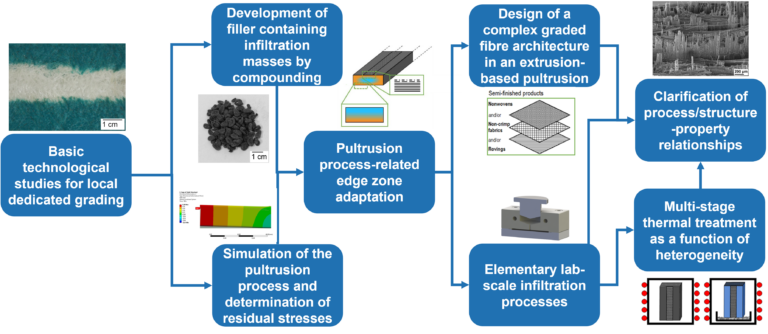
The pultrusion process forms graded CFRP that pass a multi-stage liquid silicon infiltration process (LSI). The subsequent thermal post-treatment comprises a tempering, a pyrolysis and a siliconisation step with adaptions from the state of the art depending on the microstructural characteristics of the profile.
The sub-project focuses on clarifying scientific issues related to an adapted filler containing infiltration mass that meets the requirements of the extrusion-based pultrusion process (flowability, infiltration behaviour and temperature-controlled crosslinking) as well as the pyrolysis and siliconisation process. The thermosetting infiltration mass is based on a mixture of novolak, hardener, processing aids and fillers. The fillers used are carbon particles to increase the carbon yield in the matrix, silicon carbide particles and short carbon fibres for grading effects. The research of the infiltration mass is carried out via the compounding process.
Filtration effects that occur during the infiltration of the fibre material with the filler-containing infiltration mass are to be researched and specifically applied in order to adapt the mechanical and microstructural properties of the profile accordingly. Silicon carbide particles are used within the infiltration mass to additionally grade the matrix composition. The application of short carbon fibres causes a grading in the fibre architecture. Furthermore, the fibre architecture will also be adjusted by simultaneously pulling in different textile semi-finished products such as rovings, non-crimp fabrics and nonwovens.
Two approaches are being investigated in order to control the edge zone characteristic of the composite profile and thus enable the bonding of a fibre-plastic composite in further processes. On the one hand, the inherent porosity of the fibre-reinforced profile is to be used so that partial infiltration of the plastic can be ensured. To adjust the porosity, the composition of the infiltration mass, the fibre architecture and the pyrolysis and siliconisation parameters are being researched. On the other hand, during the pultrusion process, a zone at the outer edge of the profile with non- or semi-infiltrated and thus exposed fibres is to be generated, which is then penetrated by the plastic and generates a direct anchoring.
Process modelling is carried out to understand and clarify the pultrusion process. Furthermore, there will be collaboration with project area C to develop material models and to optimise the local non- or semi-infiltrated areas for connecting thermoplastic substructures. The research in phase 1 focuses on the polymer-based semi-finished product. The fundamental knowledge gained in this context is generally applicable to any extrusion-based pultrusion process.
The initial outcome of the sub-project (SP) B04 is a rectangular-shaped polymer profile, which is converted into a carbon and into a ceramic profile and the associated manufacturing parameters. Based on these results, a cylindrical profile will be fabricated at the end of phase 1. In principle, all intermediate stages can be made available for further plastic-based processes. The flat profiles are used as an inlay in sub-project A03 to inject sub-components on the profile for demonstrator EFSm. A hybrid system made of a fibre-reinforced ceramic profile with graded fibre-reinforced plastic load-introduction substructures is formed. Those hybrid structures drastically expand the property spectrum. This opens new challenging fields of application that are not accessible to purely plastic-based components. Potential use cases for such hybrid structures include friction and ball bearings, and machine parts with special requirements for wear protection (e.g. nozzles or pipes for abrasive media) or for ballistic protection.
The suitability of the sub-project for the entire CRC/TRR 402 is excellent. The choice of material is based on its processability in the extrusion-based pultrusion as well as in the pyrolysis and siliconisation process, but the focus is on the acting mechanisms to generate load dedicated grading. In particular, the networking with
other researchers in the field of polymer and production technology is expected to lead to an accelerated increase in knowledge to master the challenges posed.
Here are some pictures
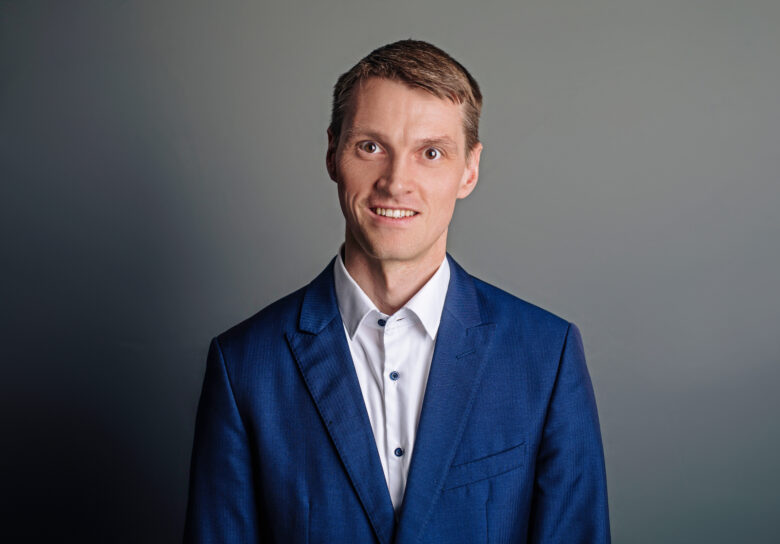
  • Kristina Roder
    Pic 1
    Dr. Kristina Roder
    Lorem ipsum dolor sit amet consectetur. Fermentum fermentum non diam risus semper tellus tincidunt sed. Lacus accumsan tellus.
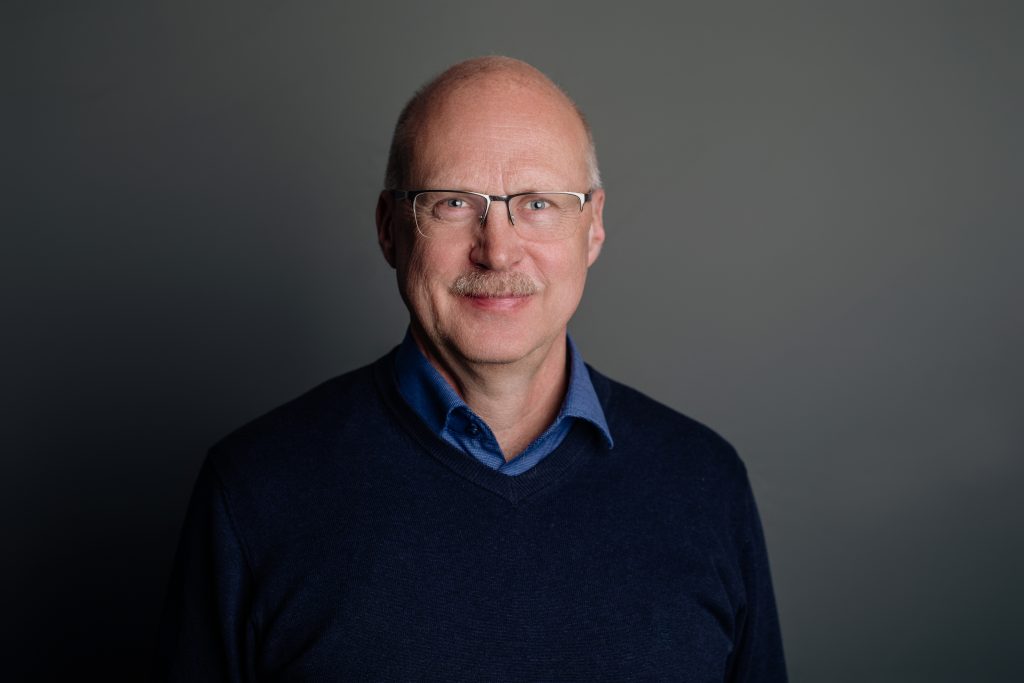
  • Welf-Guntram Drossel
    Pic 2
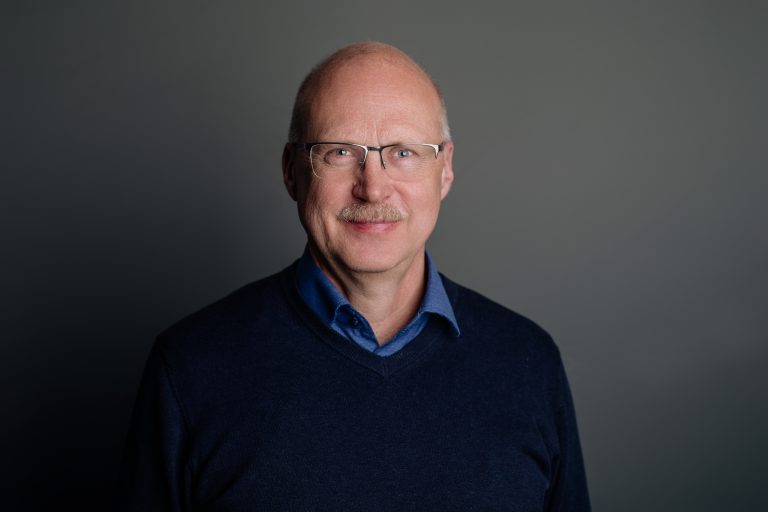
    Prof. Welf-Guntram Drossel
    Lorem ipsum dolor sit amet consectetur. Fermentum fermentum non diam risus semper tellus tincidunt sed. Lacus accumsan tellus.
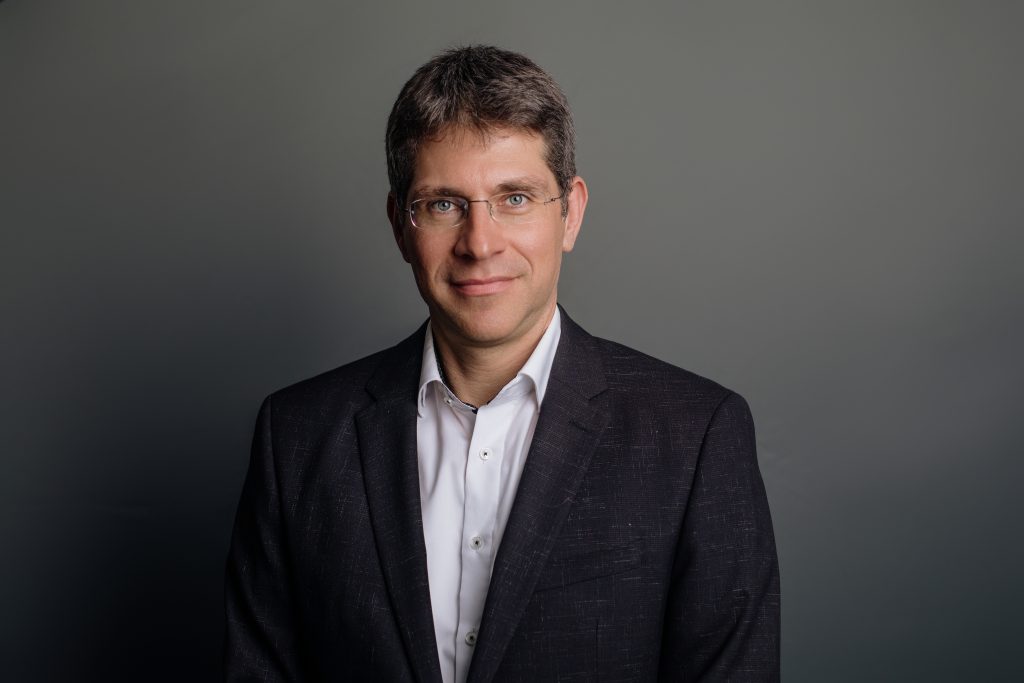
  • Jonas Stiller
    Pic 3
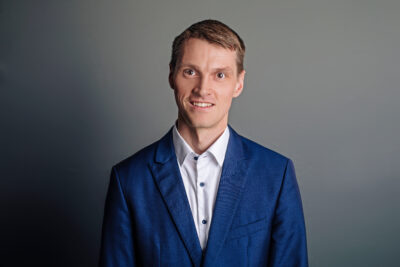
    Jonas Stiller
    Lorem ipsum dolor sit amet consectetur. Fermentum fermentum non diam risus semper tellus tincidunt sed. Lacus accumsan tellus.
Objectices


  • Profiles with a grading of the matrix and fibre architecture as well as adapted edge zone characteristics

  • Further development and control of an extrusion-based pultrusion process

  • Understanding of the process, in particular the elementary mechanisms (e.g. filtration effects)

  • Investigation of subsequent processing of the profiles through thermal modification

  • Basis for hybrid components with optimum load transfer at the transition zone


Scientific questions


  • Which is the appropriate design of the pultrusion process to produce profiles with dedicated edge zones?

  • What are suitable infiltration masses which fulfil the requirements of the pultrusion and the thermal modification process?

  • How are the elementary mechanisms influenced during the production processes?

  • How can the pultrusion process be simulated and controlled for an optimal transition area between the substructures?

Work programme and methods


  • Research of the infiltration mass by means of compounding

  • Discontinuous model experiments to clarify the mechanisms of action

  • Mould design, pultrusion with material and parameter variation (DoE) and additional static and dynamic simulation

  • Thermal modification process and structure and property characterisation

Project Team

This is the B04 team.

Project Leads

Project Members

Collaborators

Resources

Explore publications and materials from the TRR 402

Learn more through scientific publications, posters, presentations, and open-access papers and gain insights into current research results and developments within the collaborative research center.

Open Resources
Contact

Get in Touch for Collaboration

Do you have questions about the TRR 402 or are you interested in collaboration? Feel free to contact us – we are happy to hear from you and will gladly respond to your inquiry.

Contact us

Shaping the Future of Adaptive Lightweight Structures